Peptide Top Quality: Relevance Of Third-party Validation
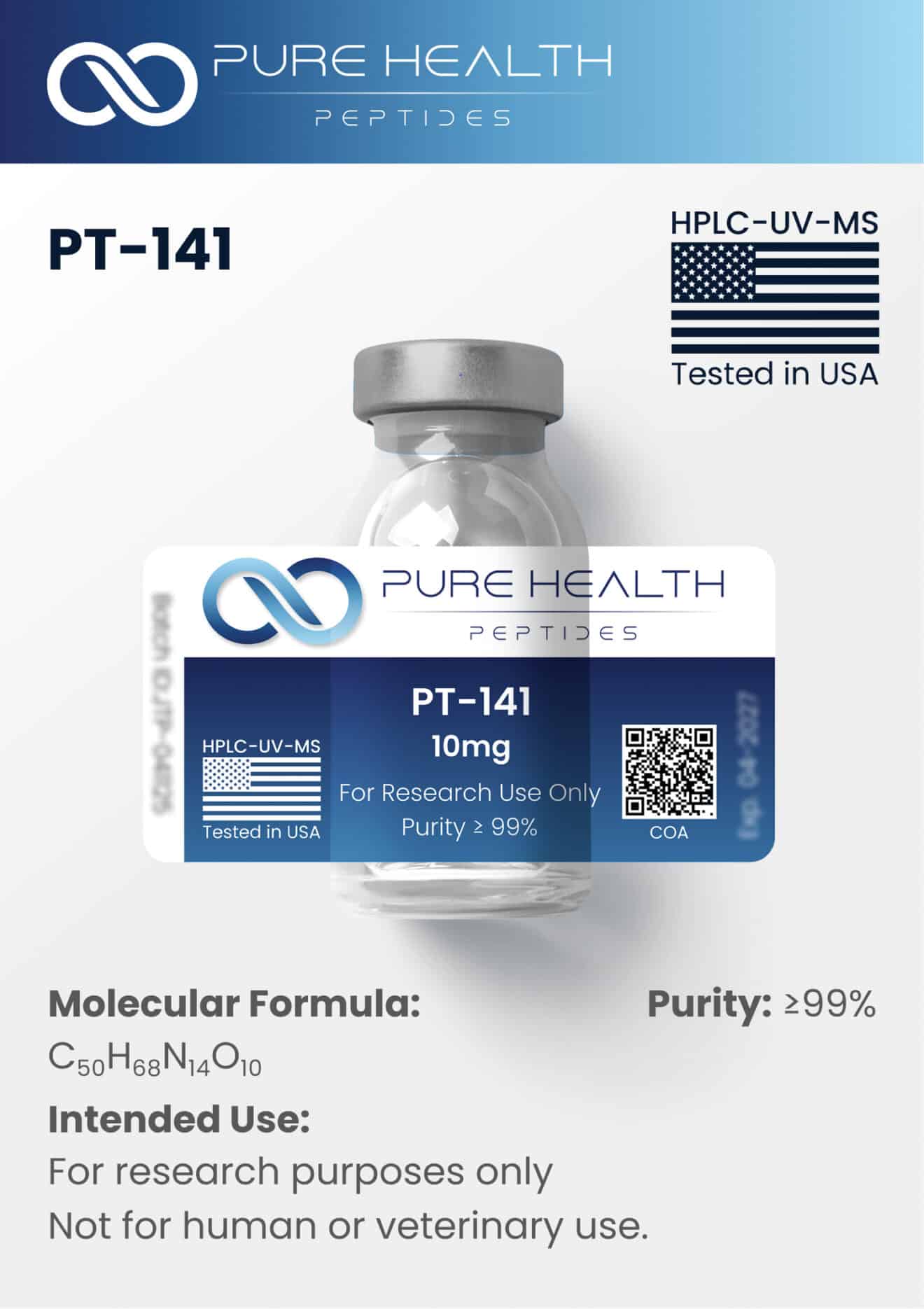
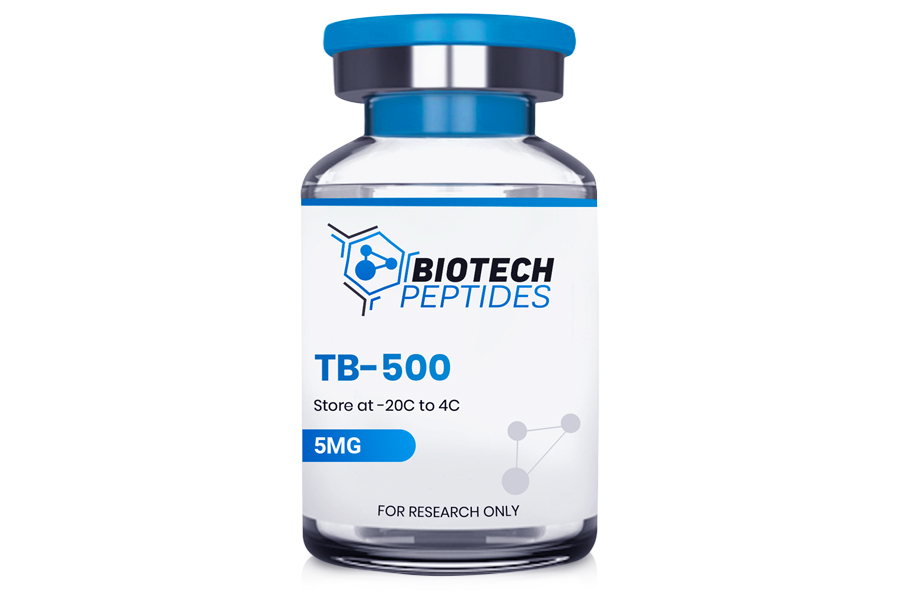
Recognizing Peptide Purity Screening Identity confirmation verifies the particular secretagogue being studied. Peptides like BPC-157 and TB-500 used for injury healing applications need to obtain complete confirmation. Identity verification is important considering that alternative with different substances would essentially change the research method. The screening process involves particular actions to make certain exact outcomes and correct sample handling. For these high-stakes circumstances, the expense of screening is insignificant compared to prospective effects of using unverified items. For researchers following protocols from resources like the BPC-157 and TB-500 piling overview, verified product quality ensures the procedure gets a fair assessment.
Where Are Pureness Outcomes Usually Reported?
The peptide market runs largely without regulative oversight. Unlike pharmaceutical drugs that undertake strenuous testing before getting to customers, study peptides exist in a grey location where top quality depends entirely on vendor stability. Researchers commonly examine purity together with identification confirmation, testing methods, and overall paperwork. These fragments are typically smaller than the target peptide and might elute at various retention times. HPLC can reveal the visibility of additional tops; LC-MS can assist assign most likely identifications to those related varieties. Amino acid evaluation or various other quantitative techniques can sustain outright material. Chiral techniques can deal with enantiomeric pureness where stereochemistry is a worry. Residual-solvent or water-content tests can matter in production or security contexts. These are important in the appropriate setting, however they need to be interpreted as method-specific proof rather than an universal replacement for HPLC and MS.
Certifications Of Evaluation: Exactly How To Review And Translate Laboratory Records
What maker is used to evaluate peptide pureness?
Peptide purity is consistently figured out by HPLC (high efficiency fluid chromatography). This technique makes it possible for separation and relative metrology of each peptide manufactured. If coupled to a mass spectrometer (MS), this gives molecular mass/ identification info of the target peptide and coming with contaminations.
Researchers usually assess identification screening to verify that the substance being assessed matches the desired peptide. Examples are independently examined by our third-party lab companion, Janoshik. Certified logical records are provided and made publicly readily available to make certain complete openness and independent confirmation. We have the capacity of serving consumers from very early peptide medicine discovery stages to peptide evaluation. We provide all the technological info and instructions for each and every action of peptide synthesis and evaluation. At Chameleon Peptides, every product ships with detailed third-party testing documents. The percent cost of screening decreases as order size rises, making verification significantly budget-friendly on a per-unit basis. When procedures that should function do not generate expected outcomes, item high quality comes to be Peptide Blend a suspicious variable. Prior to deserting a method or criticizing individual feedback variant, validate that you're in fact utilizing what you assume you're using. Your initial purchase from any type of vendor should be thought about an examination case.
This is very hardly ever the situation, nonetheless well a protocol is enhanced, and the threat of side responses and incomplete responses means that peptide purity ends up being a crucial concern in the context of the application.
A modern HPLC system includes numerous incorporated elements, each serving a particular feature in the separation and discovery procedure.
By clicking "Yes", you confirm that you are 21 years of age or older, agree that any type of items bought will certainly be used strictly for research study functions and accept our Terms of Solution.
Peak Research laboratory is a specific supplier of high-purity chemical reagents and peptides.
Keeping a high level of purity is crucial due to the fact that contaminations can affect bioassays or reactions. For example, trimmed peptides or chemically modified side-products could bind to Peptide Manufacturer targets or produce negative effects that puzzle your results. Subsequent degradation from improper storage, temperature level exposure, or contamination throughout handling can lower quality. The peptide storage overview covers appropriate handling that maintains high quality between testing and usage. This is very rarely the case, however well a procedure is optimized, and the danger of side reactions and insufficient reactions implies that peptide purity becomes a vital problem in the context of the application. One more relevant term you may experience is internet peptide content, which is various from pureness. Net peptide material describes how much actual peptide (by weight) is in the vial about non-peptide parts like water, counter-ions (e.g., TFA), or buffer salts. It's possible to have a peptide that is, say, 95% pure by HPLC and yet the web peptide web content is something like 70% of the powder's weight (the remainder being water and salts). Don't be alarmed-- this is regular and is generally established by different evaluations (like amino acid analysis). Find validated suppliers using high-purity peptides, transparent paperwork, and constant top quality for your experimental needs. Conversely, a peptide showing excellent HPLC pureness could have subtly changed mass specification information suggesting an alteration (such as methionine oxidation) that isn't severe adequate to cause chromatographic separation. 98% purity by RP-HPLC is the common benchmark for research-grade peptides and represents a robust level of pureness for the majority of preclinical research applications. For research study involving any kind of biological system (cell culture, in vivo pet designs), endotoxin information is highly appropriate and its absence should be treated as an insufficient COA. Third-party screening laboratories of note in the peptide study supply chain include recognized analytical chemistry solutions that operate under ISO or equivalent quality management frameworks. A COA identifying the screening lab by name, and for which the screening laboratory's certification can be independently verified, lugs considerably more evidentiary weight than a confidential interior COA. Most peptide vendors and study laboratories rely upon several reputable logical techniques. High purity is desirable since even small impurities might disrupt experimental results or interpretations.